Stainless Steel Round Bars: A Complete Process Analysis from Raw Material to Seamless Tube
—In-depth Interpretation Based on Three Real-World Industrial Scene Photos
Introduction In the intricate chain of the steel industry, stainless steel round bars, as the core raw material for seamless stainless steel tubes, bear the mission of transforming “from solid to hollow.” This article, combining three real-world industrial photos, systematically analyzes its production process, technical characteristics, and industry applications, revealing how this fundamental material supports the “blood vessels” of modern industry.
I. Scene Investigation: A Three-Dimensional Presentation from Production to Warehousing
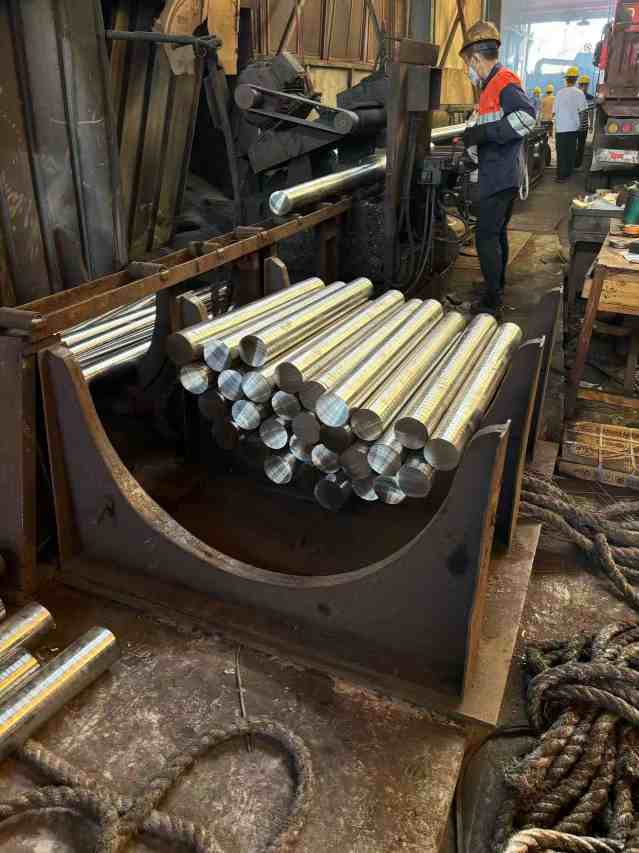
Figure 1: Precise Collaboration at the Production Site
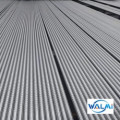
Silver-white stainless steel round bars are neatly stacked on curved metal frames, with uniform diameters (20-100mm) and a mirror-like finish after cold rolling. In the background, the piercing unit and the three-roll cold rolling mill work together, workers wearing safety helmets operate lifting equipment, and ropes on the ground are used to secure heavy tube blanks. This scene visually demonstrates the initial transformation from “round bar to tube blank”—transforming solid round bars into hollow tube blanks through heating and piercing processes, providing the foundation for subsequent cold drawing/cold rolling.
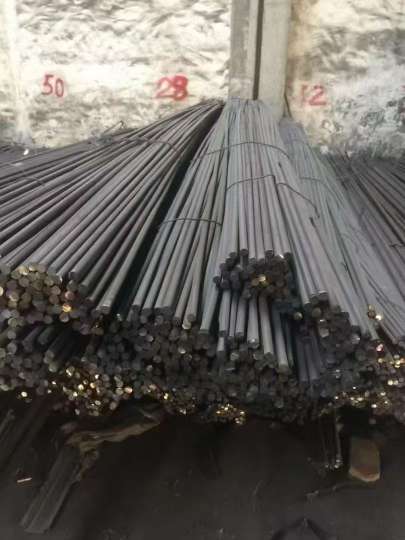
Figure 2: The Hidden Code of Specification Markings
The numbers “50,” “28,” and “12” on the wall hold a secret: 50 represents 304 stainless steel with a diameter of 50mm (compliant with GB/T14975-2002 standard); 28 corresponds to the cold-drawing pass number of a 28mm tube blank; and 12 indicates a 12-meter standard length. The mottled wall surface testifies to the high-frequency use of the workshop, while the bundled round steel bars are a microcosm of the “mass production + customized processing” model.
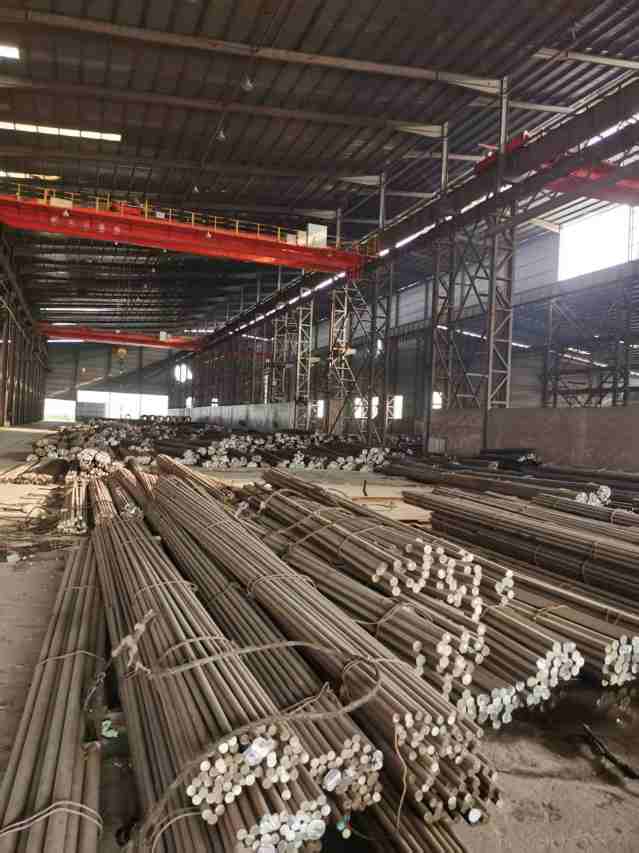
Figure 3: Intelligent Upgrade of Warehousing and Logistics
A red crane spans the top of the warehouse, capable of lifting 5-ton pipes; the bundled round steel bars are double-packaged with rust-proof paper and woven fabric, conforming to ASTM A312/A312M international standards. The steel frame structure at the top and the side window lighting design ensure the safety of heavy material handling while reducing energy consumption through natural light, embodying the modern warehousing concept of “safety + environmental protection.”
II. Core Technology: The Entire Process from Round Steel to Seamless Tube
1. Core Process Chain
Drilling-Cold Drawing Combined: The tube blank is heated to 1180℃ in a gas-fired inclined hearth furnace, and the piercing unit forms a rough tube; subsequently, multiple cold drawing passes (wall reduction ≤30%) or cold rolling (rolling force up to 2000 tons) achieve precise dimensional control. Finally, solution heat treatment eliminates residual stress, ensuring the tube’s tensile strength ≥520MPa.
Surface Treatment Revolution: The pickling tank uses pollution-free pickling and passivation paste, combined with a 400-mesh inner wall polishing process, enabling the tube to meet sanitary standards (surface roughness Ra≤0.8μm), suitable for high-cleanliness applications such as food machinery and medical devices.
2. Material Properties Matrix
304/316L: A Dual Strength: 304 round steel contains 18%-20% chromium and 8%-11% nickel, offering resistance to chloride ion corrosion; 316L, with added molybdenum (2%-3%), exhibits three times the pitting corrosion resistance, making it the preferred choice for chemical equipment.
Breakthroughs in Special Steel Grades: 310S is resistant to high-temperature creep (continuous operation at 1150℃), and 2507 duplex steel boasts a tensile strength of 800MPa, meeting the demands of extreme aerospace operating conditions.
III. Industry Applications and Market Trends
1. Cross-Industry Penetration Map
Traditional Fields: Building railings (304), oil pipelines (316L), automotive exhaust systems (409L); Emerging Sectors: New energy battery brackets (304L), semiconductor etching equipment (N08825), marine engineering (2205 duplex steel). Customized Case Study: A nuclear power project used Φ360mm 310S round steel forged main pipelines, which underwent ultrasonic testing (sensitivity ≤1.2mm) to ensure zero defects.
2. 2025 Market Dynamics
According to data from Tonghuashun Finance, stainless steel round bar prices fluctuated narrowly in the second half of 2025: the average price of 304 stainless steel was 12,580 yuan/ton (down 3.97% year-on-year), and 316L reached 22,576 yuan/ton. The disruption of Indonesian nickel ore policies and the increase in domestic crude steel production (up 20% year-on-year from January to May) created a supply-demand game, while the Southeast Asian infrastructure boom boosted exports, becoming a new support for prices.
Conclusion
Every rolling, piercing, and cold drawing of stainless steel round bars, this industrial “mother material,” writes a precise epic of modern industry. From workshops to warehouses, from specification numbers to international standards, behind it lies breakthroughs in materials science and innovations in manufacturing processes. As the red crane in the picture symbolizes, it is not only a mover of heavy objects, but also the “steel backbone” of industrial upgrading. Driven by both green and intelligent manufacturing, stainless steel round bars are accelerating towards a more efficient and environmentally friendly future.