A Comprehensive Analysis of Stainless Steel Sheets: From 304 to 321, How Does Wenzhou Walmi Define Industry Benchmarks?
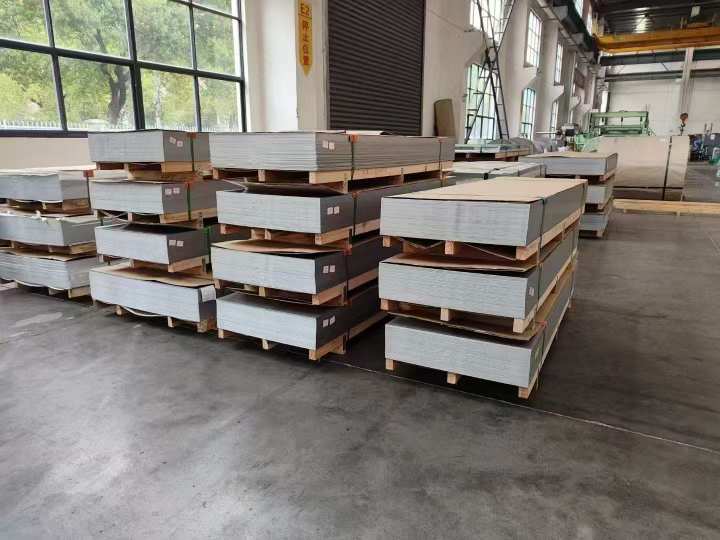
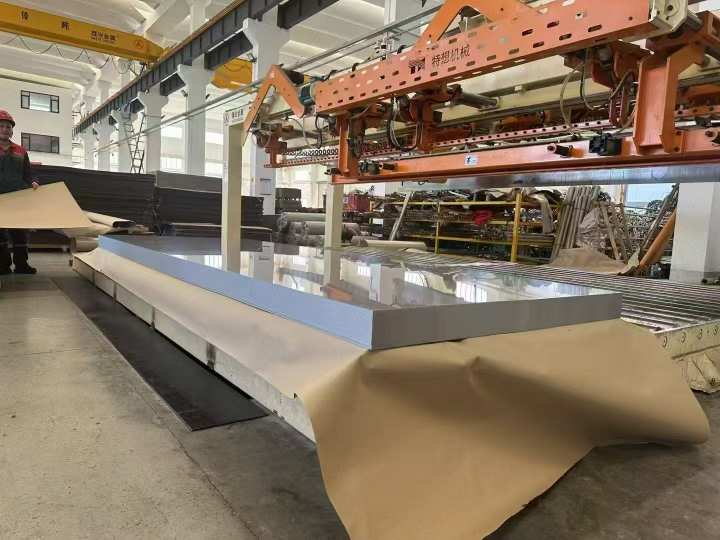
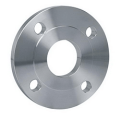
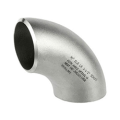
At the intersection of industry and daily life, stainless steel sheets, with their promise of “never rusting,” safeguard the precise operation of modern civilization. Wenzhou Walmi Stainless Steel Co., Ltd., as an industry leader, leverages its core product—stainless steel sheets—with a diverse material matrix including 304, 201, 316L, and 321, writing a chapter of “material revolution” in fields such as food processing, marine engineering, and aerospace. This article uses two real-life photos of steel sheets as a starting point to deeply analyze the characteristics of different materials and reveal how Walmi leads industry upgrades through technological innovation.
- Material Map: Comprehensive Coverage from Everyday to Extremes
- 304 Stainless Steel: The “Gold Standard” for Food-Grade Safety
As the most widely used austenitic stainless steel, 304 (national standard 06Cr19Ni10), with its core formula of 18% chromium + 8% nickel, builds a dual defense line of corrosion resistance and high-temperature resistance. Its surface, after polishing, exhibits a mirror-like luster, meeting the GB4806.9-2016 food contact safety standard and possessing excellent processing performance—withstanding temperatures up to 800℃ and suitable for complex processes such as stamping and welding. In Walmi’s production lines, 304 steel plates are widely used in kitchen equipment, medical devices, and automotive exhaust pipes, among other applications. Its “weak magnetic” property further avoids the magnetic interference problems associated with traditional stainless steel.
- 201 Stainless Steel: The “Economic Warrior” of Cost-Effectiveness
Compared to 304, 201 (13.5%-15.1% chromium, 1%-2% nickel, 8%-11% manganese) reduces costs by 20%-30% by replacing some nickel with manganese, making it the preferred choice for budget-sensitive projects. Although its corrosion resistance is slightly inferior to 304, it performs exceptionally well in dry environments or short-term use scenarios—Walmi’s 201 steel plates are commonly used in architectural decorative components, appliance housings, and transportation facilities. Its high hardness supports complex shaping processes, such as elevator cars and outdoor billboards.
- 316L and 321: “Special Forces” for Extreme Environments
316L (Ultra-Low Carbon): With the addition of 2%-3% molybdenum, its resistance to chloride corrosion is enhanced, making it a standard choice for marine platforms, chemical reactors, and medical implants. Its ultra-low carbon content (≤0.03%) prevents intergranular corrosion after welding, and its hardness after solution treatment is below 200HV, making it suitable for high-precision equipment manufacturing.
321 (Titanium Stabilized): Formed with titanium to form titanium carbide, it maintains creep resistance at high temperatures of 500-800℃, and is widely used in aero-engines, oilfield exhaust pipes, nuclear power plant heat exchangers, and other applications. Walmi’s 321 steel plates exhibit superior fracture resistance compared to 304 in high-temperature stress tests, becoming a “protective shield” for high-temperature industrial equipment.
- WalmiInnovation: A Leap from Manufacturing to “Intelligent Manufacturing”
Located in Longwan District, Wenzhou, Walmi Stainless Steel, since its establishment in 2018, has focused on “metal material manufacturing,” expanding into steel rolling and special equipment manufacturing. Its production lines cover the entire process from hot-rolled plates to cold-drawn tubes, equipped with advanced solution treatment equipment and surface polishing processes to ensure that the steel plates meet both surface gloss and corrosion resistance standards.
In terms of technological innovation, it has developed ultra-long, high-precision, bright heat exchange tubes, achieving import substitution in the fields of new energy storage and nuclear power equipment.
III. Application Scenarios: Infinite Possibilities from Micro to Macro Walmi’s stainless steel plates unleash their value across multiple industries:
Food Industry: 304 steel plates are used in food processing equipment and storage tanks to ensure sterility and safety;
Marine Engineering: 316L steel plates resist seawater corrosion, protecting drilling platforms and ship components;
Medical Field: 321 steel plates, with their biocompatibility, are an ideal choice for surgical instruments and implants;
Architectural Decoration: 201 steel plates, after brushing and color plating, transform into the “metallic aesthetics” of modern architecture.
Conclusion From the “universally friendly” 304 to the “extreme challenge” 321, the evolution of stainless steel plates is essentially a precise response of materials science to human needs. Wenzhou Walmi Stainless Steel Co., Ltd., driven by technological innovation and using diverse materials as its canvas, is painting a picture of industrial upgrading from “manufacturing” to “intelligent manufacturing.” As Chairman Ji Tianmin said, “Simple and unpretentious, content in the countryside”—within the small space of stainless steel lies the ultimate pursuit of quality and the infinite imagination for the future.