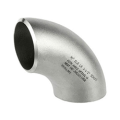
Stainless Steel Sanitary Pipe Product Introduction
I. Product Overview
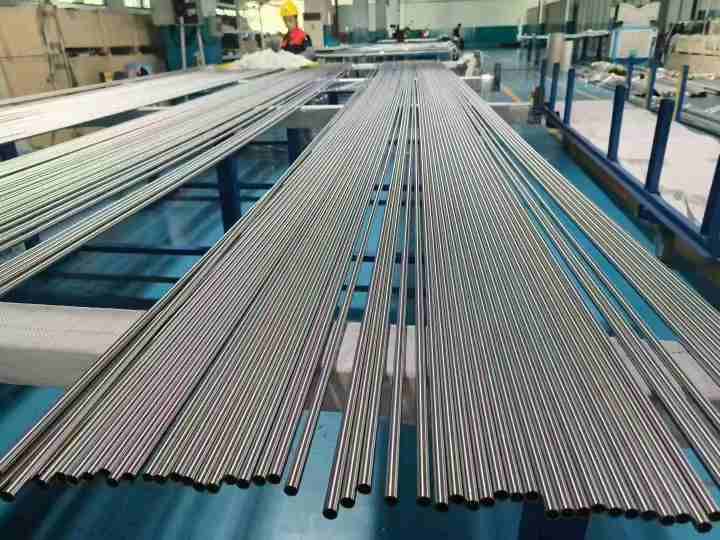
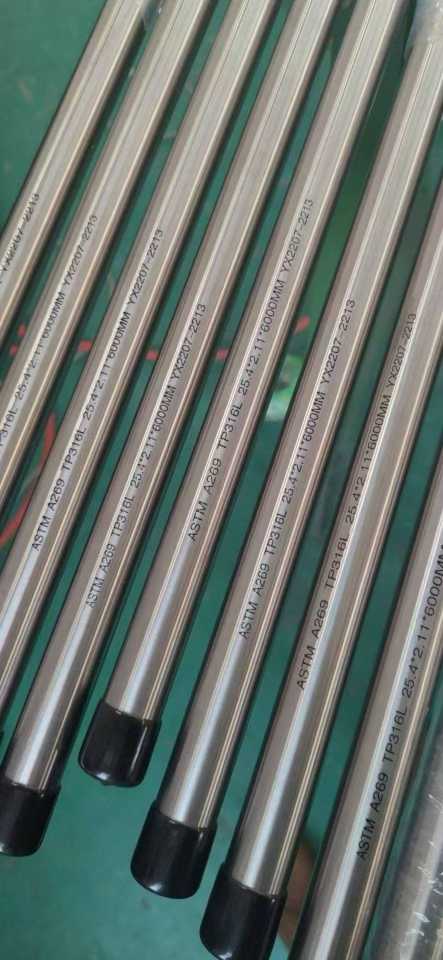
Stainless steel sanitary pipes are fluid transport pipes specifically designed for industries with high hygiene standards, such as food, pharmaceuticals, and bioengineering. They are made primarily of austenitic stainless steels such as 304, 316L, and 317L, through precision cold rolling/cold drawing, electrolytic polishing, and passivation processes. Their surface finish reaches Ra≤0.8μm, and the inner wall has a mirror-like effect, effectively preventing media residue and microbial growth. They conform to international and domestic standards such as ASTM A270, DIN 11850, and GB/T3639, and are suitable for a wide temperature range of -40℃ to 200℃. They can withstand short-term high temperatures up to 850℃ and meet CIP/SIP cleaning requirements.
II. Core Characteristics and Material Advantages
Material Selection and Corrosion Resistance
304 Stainless Steel: Contains 18-20% Cr and 8-10.5% Ni. Suitable for neutral/weakly acidic/alkaline environments, such as dairy and beer production lines, offering economical cost.
316L Stainless Steel: Contains 16-18% Cr, 10-14% Ni, and 2-3% Mo. Its low-carbon design (≤0.03%) reduces the risk of intergranular corrosion and enhances resistance to chloride ion corrosion, making it suitable for high-salt, acidic environments (such as soy sauce and anti-tumor drug production lines).
317L/904L Stainless Steel: Higher molybdenum content (3-5%) provides excellent resistance to pitting and crevice corrosion, making it suitable for extreme corrosion scenarios such as concentrated nitric acid and seawater desalination.
Surface Treatment Processes:
Mechanical Polishing: Graded grinding with grinding wheels and belts reduces the Ra value to below 0.8μm, suitable for batch processing of non-critical weld areas.
Electrolytic Polishing: Achieves a super-mirror effect with Ra≤0.2μm using electrochemical principles, forming a uniform Cr₂O₃ passivation film, reducing microbial adhesion by over 90%, suitable for sterile pharmaceutical transportation.
Passivation Treatment: Immersion in nitric acid solution generates a 2-3nm thick passivation film, with Fe ion leaching <0.1ppm, enhancing corrosion resistance.
III. Connection Methods and Installation Specifications
Welding Connection: Argon arc welding is used. The welding material must be compatible with the pipe material. Welding temperature must be controlled to prevent chromium and nickel loss. Post-weld polishing is required to remove oxides and ensure a tight seal.
Compression/Quick-fit Connection: A threadless seal is achieved using compression tools. Suitable for small-diameter, low-pressure pipes. Installation is convenient and there are no cleaning dead zones.
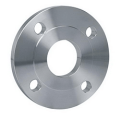
Flange Connection: Suitable for large-diameter, high-pressure systems. Food-grade gaskets (such as PTFE) must be used. Bolts should be tightened evenly diagonally.
Threaded Connection: Uses PTFE raw material tape for sealing. Tightening force must be controlled to prevent thread damage. Suitable for small-diameter, detachable applications.
IV. Application Scenarios and Industry Standards
Food Industry: Dairy, beverage, and beer production lines; pure water delivery systems. Surfaces must be free of oil and microbial residue.
Pharmaceutical Industry: Production lines for injections, sterile pure water, and anti-tumor drugs. Compliant with GMP/ISO 13485 standards. Must withstand high-temperature sterilization (121℃ steam). Bioengineering: Gene therapy and bioreactor pipelines require ultra-low TOC residue (≤0.5ppm) to prevent drug adsorption and deterioration.
Medical Field: Endoscopes, surgical instruments, and infusion equipment must pass a 3% ferric chloride solution intergranular corrosion test to ensure long-term safety.
V. Quality Assurance and Maintenance: Products must pass salt spray testing (no rust spots after 240 hours), intergranular corrosion testing (ASTM A262 standard), and microbial testing (colon count ≤10 CFU/100cm²). Routine maintenance requires regular water pressure testing and surface cleaning (with a dedicated cleaning agent) to avoid contact with corrosive substances and extend service life.
Stainless steel sanitary pipes, with their excellent corrosion resistance, high cleanliness, and ease of maintenance, have become the preferred pipe material in industries with high hygiene standards, ensuring the safety of fluid transportation and process stability.